Menu
  • Home
  • About Us
    • Meet Our Team
    • General Services
      • Wellness Services
      • Medical Services
      • Surgical Services
    • Companies We Work With
  • Request Appointment
  • Contact Us
  • Client Testimonials
  • Community Content
    • Pet Health
      • Chronic Conditions
      • Digestive and Oral Health
      • Diseases and Viruses
      • Pests and Parasites
      • Orthopedics
    • Today's Veterinarian
    • Choosing Your Pet
      • Finding Your Pet
      • Cats
      • Dogs
      • Exotics
        • Amphibians
        • Birds
        • Reptiles
          • Lizards
          • Turtles
      • Small Mammals
        • Ferrets
        • Rabbits
        • Domesticated Animals
          • Prairie Dogs
        • Pocket Pets
          • Chinchillas
          • Guinea Pigs
          • Hamsters
          • Hedgehogs
          • Rats
      • Livestock
        • Cows
        • Donkeys, Horses & Mules
        • Goats
        • Pigs
        • Poultry
        • Sheep
    • Living With Your Pet
      • Bringing Your Pet Home
      • Children and Pets
      • Providing Care
      • Travel
      • Saying Goodbye
    • Newsletter Library
      • Cats
      • Tips for Pet Owners
      • Behavior & Training
      • Fleas & Parasites
      • Keeping Pets Healthy
      • Recognizing Illness
      • Nutrition & Food
      • Pet Dangers
      • Seasonal Topics
      • Visiting the Vet
      • Equine
      • Newsletter Archive
        • Fun with Pets
        • Unbelievable Pets
    • Video Newsroom
      • Health Topics
      • Technology and Science
      • Other Interests
    • Newsletter Library
    • Client Survey
    • Pets4Kids

13640 Grove Drive

Maple Grove, MN 55311 USA

(763) 420-9711

  • Home >
  • Articles >
  • Today's Veterinarian >
  • The Veterinary Approach

The Veterinary Approach

  • Created in Today's Veterinarian
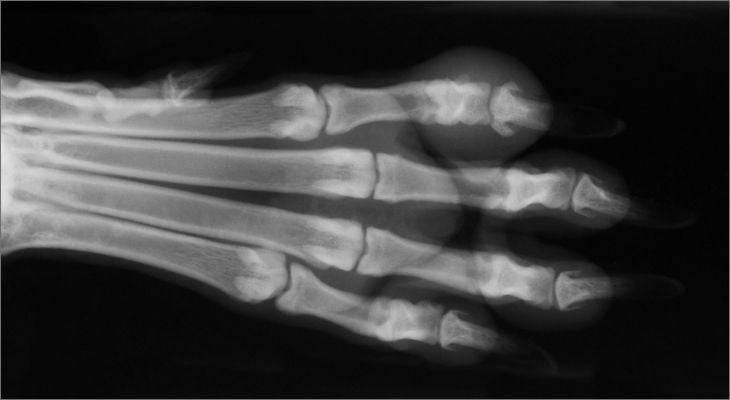
xray of paw

Veterinarians employ state-of-the-art technology that is very similar to technology used in the treatment of humans. Veterinarians in private clinical practice work to prevent disease and other health problems in their patients. They examine animal patients, vaccinate them against diseases, prevent the transmission of animal disease to people, and advise owners on ways to keep pets and livestock well nourished and healthy.

When health problems develop, practitioners must diagnose the problem and treat the patients. Accurate diagnosis frequently requires the use of laboratory tests, radiography or x-rays, and specialized equipment. Treatments may involve a number of procedures including emergency lifesaving measures, prescribing medication, setting a fracture, delivering a calf, performing surgery, or advising the owner on feeding and care of the patient.

  • Pet Health
    • Chronic Conditions
    • Digestive and Oral Health
    • Diseases and Viruses
    • Pests and Parasites
    • Orthopedics
  • Today's Veterinarian
  • Choosing Your Pet
    • Finding Your Pet
    • Cats
    • Dogs
    • Exotics
      • Amphibians
      • Birds
      • Reptiles
        • Lizards
        • Turtles
    • Small Mammals
      • Ferrets
      • Rabbits
      • Domesticated Animals
        • Prairie Dogs
      • Pocket Pets
        • Chinchillas
        • Guinea Pigs
        • Hamsters
        • Hedgehogs
        • Rats
    • Livestock
      • Cows
      • Donkeys, Horses & Mules
      • Goats
      • Pigs
      • Poultry
      • Sheep
  • Living With Your Pet
    • Bringing Your Pet Home
    • Children and Pets
    • Providing Care
    • Travel
    • Saying Goodbye
  • Newsletter Library
    • Cats
    • Tips for Pet Owners
    • Behavior & Training
    • Fleas & Parasites
    • Keeping Pets Healthy
    • Recognizing Illness
    • Nutrition & Food
    • Pet Dangers
    • Seasonal Topics
    • Visiting the Vet
    • Equine
    • Newsletter Archive
      • Fun with Pets
      • Unbelievable Pets
  • Video Newsroom
    • Health Topics
    • Technology and Science
    • Other Interests
  • Newsletter Library
  • Client Survey
  • Pets4Kids

Location

Find us on the map

Office Hours

Our Regular Schedule

Monday:

8:30 am-5:00 pm

Tuesday:

8:30 am-5:00 pm

Wednesday:

8:30 am-6:00 pm

Thursday:

8:30 am-6:00 pm

Friday:

8:30 am-6:00 pm

Saturday:

8:30 am-1:30 pm

Sunday:

Closed

Paws & Claws Pet Hospital

Location

(763) 420-9711

Location
Request Appointment
  • Copyright © 2026 MH Sub I, LLC dba iMatrix.
  • Admin Log In
  • Site Map